June's Journey: Hidden Objects
- 4.4
- Rating
- 50.00M
- Installs
- Free
- Price

 Analysis by App-foxy
I approached June's Journey: Hidden Objects as a game for quiet, observant play rather than fast reactions. Developed by Wooga, this free adventure game places its mystery-solving around illustrated scenes where finding objects helps move a murder investigation forward. I found that basic idea easy to understand: inspect a busy picture, locate the requested items, and use those discoveries to follow the case.
That simplicity is also what makes it approachable. You do not need to learn a complicated control scheme before reaching the first investigation. At the same time, the crowded artwork and progression structure mean it is not equally comfortable for everyone. My experience was strongest when I treated each scene as a short visual puzzle, not as a game to rush through.
The game has a 4.5 average from around 1.2 million ratings, with more than 50 million installs. Those figures suggest a very broad audience, but popularity does not remove the practical questions that matter before installing: Can you read the scenes comfortably? Does the game suit your hands and attention span? Is it enjoyable without purchases? I will focus on those everyday concerns, especially how the design works for different abilities and situations.
You May Also Like

 AccuWeather: Weather Radar
AccuWeather Review: A Quick, Clear Forecast for Everyday Decisions
For everyday plans, the best forecast is the one you can understand quickly. AccuWeather makes rain timing, radar, and local conditions easy to act on, with a few trade-offs.

 Hill Climb Racing
Why Hill Climb Racing Still Turns Crashes Into One More Run
A tiny car, a bumpy hill and one more upgrade: Hill Climb Racing keeps resurfacing because its simple chaos makes every near-miss feel personal.

 AliExpress - Shopping App
AliExpress Makes Global Shopping Feel Personal, but Shoppers Bear the Risk
AliExpress turns a global marketplace into a pocket-sized discovery engine. Its reach is useful, its shopping loop compelling, and its trade-offs easy to miss.

 Lords Mobile: Kingdom Wars
Lords Mobile Is a Kingdom-Building Routine, Not a Quick Match
A case-by-case verdict on the building, battles, device demands, and social commitments that make Lords Mobile rewarding for some players and exhausting for others.

 PDF Scanner app - TapScanner
TapScanner Makes Paperwork Easier to Capture, Check, and Share
TapScanner makes scanning with a phone feel less like a rescue operation and more like a dependable step in getting work done. Its capture tools are useful, though not flawless.

 Block Blast!
 Shows How Much a Puzzle Game Can Leave Out
A quiet grid game shows why puzzle players increasingly value instant clarity, repeatable skill and low-pressure play—and where the genre still needs to catch up.
More From Our News Desk
View All News


How clearly the mystery scenes guide you
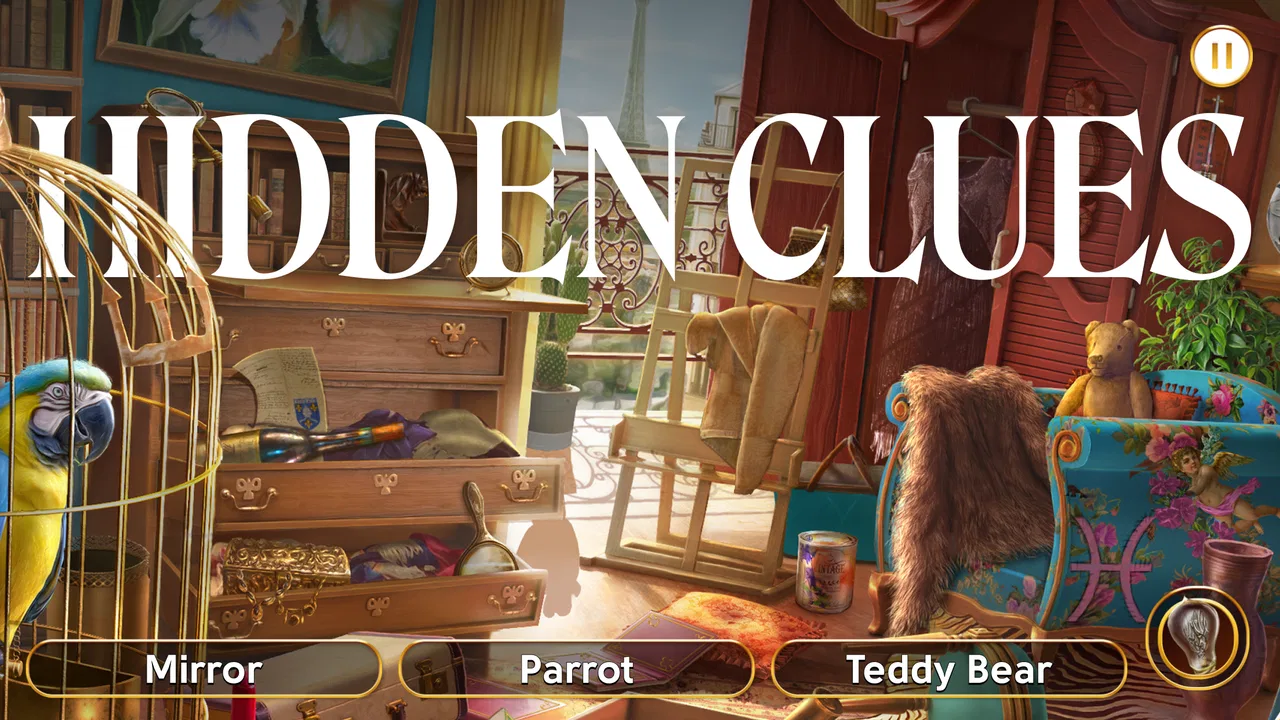
The central loop is immediately readable. A scene appears, a list of objects gives you a target, and tapping the matching details advances the investigation. I never felt lost about the immediate objective. The murder-mystery framing gives each round a reason to exist, while the hidden-object format keeps the moment-to-moment task concrete.
Navigation is less demanding than in a traditional adventure game. You are not constantly steering a character through a three-dimensional environment or remembering a large set of commands. That makes June's Journey a good fit for players who prefer visual searching to platforming, combat, or timed movement. Someone who wants to relax with a case for a few minutes can understand the interaction without studying a manual.
The visual presentation is attractive, but it is also dense by design. Objects are placed among furniture, decorations, clothing, plants, and other scene details. This creates the challenge, yet it can make the requested item difficult to distinguish from its surroundings. I often found myself changing my attention from broad scanning to small-area checking: first divide the picture into sections, then search one section at a time instead of repeatedly sweeping across the whole image.
That method is more than a personal preference. It reduces unnecessary eye movement and makes missed objects easier to revisit. If I searched randomly, I was more likely to tap the same obvious items and overlook something blended into a background. A slow clockwise scan, followed by a check of unusual shapes and edges, worked better than trying to solve the entire picture in one glance.
The clues are presented through ordinary object names, so language familiarity matters. Players who are still learning English may understand the story but hesitate over a particular word. The game is therefore easier for people comfortable with the language used on their device than for someone who relies on visual recognition alone. That is an important distinction: the puzzle is visual, but the target list still asks you to interpret text.
I also appreciated that the mystery provides context between searches. The scenes do not feel like disconnected image tests. However, anyone expecting a fully interactive detective simulation may find the investigation more guided than investigative. The satisfaction comes mainly from noticing details and progressing through the narrative, not from independently choosing suspects or building a case from unrestricted evidence.
Readability depends on the screen and the player
On a larger phone or tablet, the artwork has more room to breathe. On a smaller display, the same scene can feel compressed, especially when several tiny objects sit close together. I would recommend trying it on the device you actually plan to use rather than assuming that a comfortable experience on one screen will transfer perfectly to another.
Visual contrast varies naturally from one scene to another. A bright object against a plain wall is easy to identify, while a similarly colored item hidden among decorations requires much more concentration. This is a core part of the challenge, not necessarily a flaw, but it means players with reduced contrast sensitivity may need more time and may find some rounds tiring.
A useful habit is to avoid tapping every suspicious shape. Careless taps can make searching feel more frantic and can distract from the scene. I got better results by reading the full target list first, locating the most distinctive objects, and leaving ambiguous items until the picture had fewer possibilities. That workflow makes the game feel calmer and can help players who find rapid visual switching uncomfortable.
Controls are simple, but precision still matters
The main action is tapping objects in the picture. That is much less physically demanding than repeated swipes, virtual joysticks, or rapid button combinations. Players with limited gaming experience can start quickly, and someone who prefers one-handed casual play may find the basic interaction manageable.
Still, “simple” does not mean effortless for every hand. Small targets require accurate taps, and a player with tremors, reduced fine-motor control, joint pain, or difficulty maintaining a steady grip may miss objects even after seeing them. The challenge can shift from observation to touch precision. When that happened for me, slowing down helped more than tapping harder or more often.
The game is also a poor match for anyone looking for a completely hands-free experience. Its essential task is selecting small visual details, so it depends on both sight and direct touch. Players who use alternative input methods should check whether their device setup makes precise scene interaction practical before committing to longer sessions.
There is no need for fast reflexes in the same way as an action game. That is a meaningful advantage for players who want an adventure setting without combat timing or constant movement. Yet some rounds can still create pressure through the desire to search efficiently. I found that the best approach was to treat speed as optional personal improvement rather than the only measure of success.
Sound is not the center of the experience
Because the important information is shown in the scene and target list, the game can fit situations where I do not want to depend on audio. That makes it more practical in a shared room, during a commute, or in a waiting area where sound would be inconvenient. The visual evidence is the part that carries the puzzle.
That same strength creates a limitation for blind or severely visually impaired players. The central activity requires identifying small objects in illustrated scenes, so it is not a format I would recommend to someone who cannot comfortably inspect visual details. Players with partial sight may have a better experience on a larger display or with device-level magnification, but the game itself should not be treated as a fully accessible visual experience.
For players with light sensitivity or visual fatigue, the amount of detail is worth considering. Even when the game is enjoyable, repeated close searching can become tiring. I found short sessions more comfortable than extending one investigation for too long. Taking a break after several scenes is practical, not merely a matter of patience, because tired eyes make similar colors and shapes harder to separate.
Where it fits into real daily routines
June's Journey works particularly well in small pockets of time. I can imagine playing it while waiting for an appointment, taking a break from household tasks, or settling down before bed when I want a puzzle rather than an intense challenge. The scene-based structure gives each play period a clear starting point, and I do not need to remember a complicated control sequence after putting the phone away.
A realistic example would be a player with ten quiet minutes during a lunch break. They can open a case, search a scene at a measured pace, and stop when attention starts to fade. That is more suitable than a game that demands a long uninterrupted match. On the other hand, a person working in a noisy environment may still struggle to concentrate, because the difficulty is visual rather than audio-based and busy surroundings can make close inspection harder.
The game is free to download, but it includes in-app purchases ranging from $0.99 to $199.99 per item. That range changes how I would recommend it to families and to anyone trying to keep spending predictable. The basic entry cost is low, yet optional purchases can become relevant if a player wants to progress more quickly or continue playing without waiting. I would set a device purchase limit before handing it to a child.
Its Teen content rating also matters when deciding who should use it. The mystery theme involves murder investigations, so I would not describe it as a children’s hidden-object title simply because the controls are easy. A teenager may enjoy the combination of story and searching, while a younger child or a sensitive player may prefer a gentler puzzle game without crime-centered framing.
The game requires Android 6.0 or later, which makes it available on a wide range of compatible Android devices. That does not guarantee identical comfort across phones: screen size, display quality, touch response, and battery condition can all affect a hidden-object game more than they affect a text-based title. Before judging the design, I would distinguish between a scene that is genuinely difficult and one that is simply too cramped on the current device.
Who will appreciate the slower pace
I would recommend it to players who enjoy visual puzzles, serialized mysteries, and gradual progress. It is also a sensible choice for someone moving from casual puzzle apps into adventure games, because the narrative gives the searches a stronger sense of purpose than matching tiles or completing isolated levels.
It may suit older players who want a visually focused pastime without complicated controls, provided the artwork is comfortable to inspect and the Teen-rated subject matter is acceptable. It can also work for friends or family members who like discussing what they noticed in a scene. The game encourages observation, so comparing search strategies can be more enjoyable than simply competing for speed.
I would skip it if your ideal adventure means exploring freely, making major story decisions, or solving puzzles through inventory combinations. The hidden-object structure is the heart of the experience. I would also look elsewhere if you dislike energy-style pacing, repeated searches, or any game where optional spending may influence how smoothly you continue. A premium puzzle with a single upfront purchase may be a better fit for someone who wants a fixed cost and uninterrupted progression.
Small strategies that make the experience more inclusive
My first practical tip is to search by zones. Imagine the scene as a grid and finish one area before moving to the next. This reduces the need to hold the entire image in working memory, which can help players who lose their place in visually crowded layouts.
Second, read the target list slowly and group items mentally by type, color, or likely location. A long object may be easier to find near furniture, while a small decorative item may disappear among similar shapes. This approach turns an overwhelming picture into several manageable searches and reduces repeated scanning.
Third, use the device rather than the game alone to improve comfort where possible. A larger screen, suitable brightness, a stable surface, and a comfortable grip can make precise tapping less tiring. These adjustments do not change the game’s accessibility, but they can remove avoidable strain for players with limited dexterity or visual endurance.
Finally, separate story enjoyment from performance pressure. If a scene becomes frustrating, I would rather pause and return later than turn every search into a race. This is especially useful for players whose attention fluctuates, because the mystery can remain enjoyable even when a particular picture takes longer than expected.
How it compares with familiar alternatives
Compared with a conventional adventure game, this one asks far less from movement and reaction speed but more from sustained visual attention. Compared with a pure hidden-object app, its murder-mystery presentation gives the searches continuity and a reason to keep following the next scene. That combination is its clearest identity.
It is not the best alternative for every kind of relaxation. A word puzzle may be easier for someone who finds detailed images tiring. An audio-led game may better suit a player with limited vision. A premium, offline-focused title may be preferable for someone who wants to avoid purchase prompts or progression friction. June's Journey earns its place when the appeal of inspecting illustrated scenes is stronger than those concerns.
The current version is 3.54.1, and the game has been available since October 3, 2017. I mention that because the title is not a brief experiment built around a single novelty; it is an established game that players can approach as an ongoing pastime. Even so, longevity does not change the basic trade-off: the more you enjoy repeated visual searches, the more value you are likely to find in it.
My inclusive verdict
After spending time with it, I see June's Journey as a welcoming entry point into narrative puzzle games, with clear immediate goals and controls that avoid the physical demands of action titles. Its strongest accessibility quality is simplicity: inspect, identify, tap, and continue. That makes it easier to approach than many adventure games, especially for players who prefer calm observation.
Its barriers are equally clear. Tiny objects, crowded artwork, language-dependent clues, and the need for precise touch can exclude or tire players with visual, motor, or attention-related difficulties. The Teen mystery theme and optional purchases also mean it is not an automatic recommendation for every family or every setting.
My recommendation is conditional but positive: try it if you enjoy detailed illustrated scenes and want a story-led search game that fits short sessions. Use a comfortable display, search methodically, and decide in advance how you will handle purchases. If your priority is hands-free play, unrestricted detective choice, a fixed one-time cost, or minimal visual strain, another adventure format will serve you better.
For the right player, the game’s pleasure comes from the moment a nearly invisible object suddenly becomes obvious. I found that small discovery satisfying enough to carry the slower progression, and the mystery gives those discoveries a pleasant sense of direction. It is free to start, made by Wooga, and has reached a large audience, but its real value depends on a personal question: do you enjoy looking closely enough to let each scene reveal itself?
FAQs for June's Journey: Hidden Objects
01What is the main objective of June's Journey: Hidden Objects?
In June's Journey: Hidden Objects, the primary objective is to solve mysteries by finding hidden objects within beautifully illustrated scenes. Players follow the story of June Parker as she navigates through intriguing puzzles and uncovers secrets from the 1920s. The game combines engaging narratives with challenging gameplay.
02Is June's Journey: Hidden Objects free to play?
Yes, June's Journey: Hidden Objects is free to play. However, it offers in-app purchases that can enhance the gaming experience. These purchases include additional energy, game currency, and special items that can help players progress more quickly. Players can enjoy the game fully without spending money, though some patience may be required.
03What are the device requirements for June's Journey: Hidden Objects?
To run June's Journey: Hidden Objects smoothly, an Android device should have at least version 4.4 or higher, and an iOS device should have iOS 10.0 or later. The game requires a stable internet connection for updates and social features. Sufficient storage space is also necessary to accommodate regular updates and new content.
04How does energy work in June's Journey: Hidden Objects?
In June's Journey, energy is a crucial resource that limits the number of scenes a player can explore in one sitting. Energy replenishes over time, or players can purchase more through in-app purchases. Managing energy effectively is key to progressing through the game without unnecessary delays.
05Can I play June's Journey: Hidden Objects offline?
June's Journey: Hidden Objects requires an internet connection to play. This is essential for syncing progress, accessing new content, and participating in social features. Offline play is not supported, so players should ensure they have a stable connection to enjoy a seamless gaming experience.
Pros
- Engaging storyline with intricate mysteries.
- Beautifully designed
- immersive graphics.
- Frequent updates with new content.
- Challenging puzzles improve cognitive skills.
- No mandatory purchases to progress.
Cons
- Can be slow to load on older devices.
- Energy system limits playtime.
- Some items are difficult to find.
- Ads can interrupt gameplay.
- Requires a stable internet connection.

June's Journey: Hidden Objects
Gallery